The Unhurried Bar: Why Calm Is the New Going Out
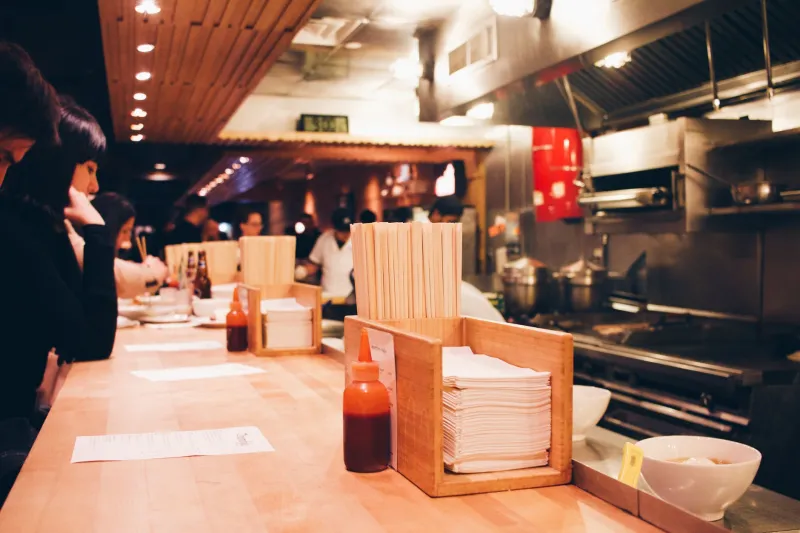
There is a particular kind of Friday night in the UK that has become almost a reflex. You book somewhere loud, you scan a menu the length of a short story, and you spend the first twenty minutes shouting across a table about whether to order the croquettes. It can be fun. It can also feel like a shift you did not sign up for.
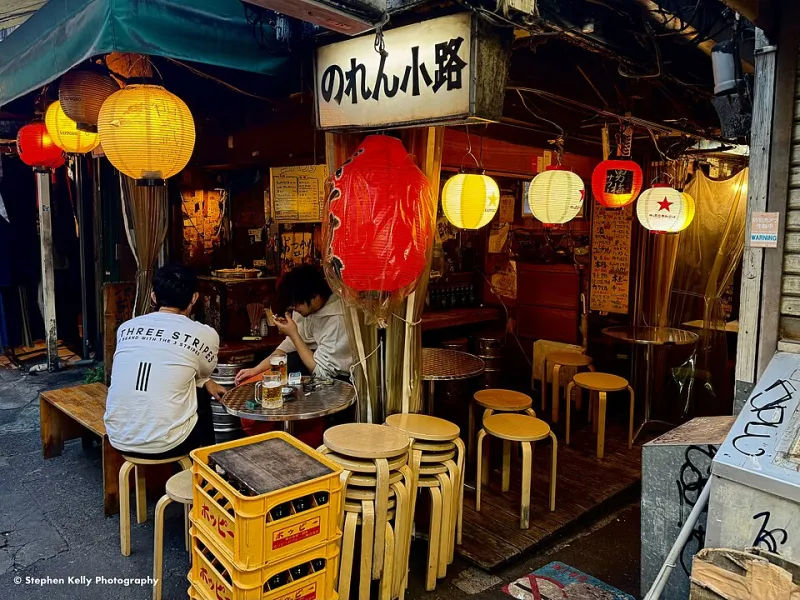
The quiet bar is not a new idea. Japan has been doing it for decades: small rooms, narrow counters, a short list of drinks, and a host who seems to know exactly when to appear and when to disappear. But in the UK, where hospitality often equates generosity with volume, the idea still feels underrated. In 2026, that feels like a missed opportunity.
The volume problem
We have spent years making restaurants busier. Open kitchens, communal tables, playlists mixed to keep the room buzzing, menus that stretch across several pages because choice has become a stand-in for value. None of this is inherently bad. A lively room can lift a grey Tuesday. But when every night out is designed to be an event, the event starts to wear thin.
The problem is not noise itself. It is noise without purpose. A Japanese-inspired bar tends to treat the room as a whole: the lighting, the music, the pace of service, the number of covers. Nothing is turned up simply because turning it up is easy. The result is a space that feels intentional rather than busy. You notice the difference within minutes. Your shoulders drop. You stop checking your phone.
What calm actually looks like
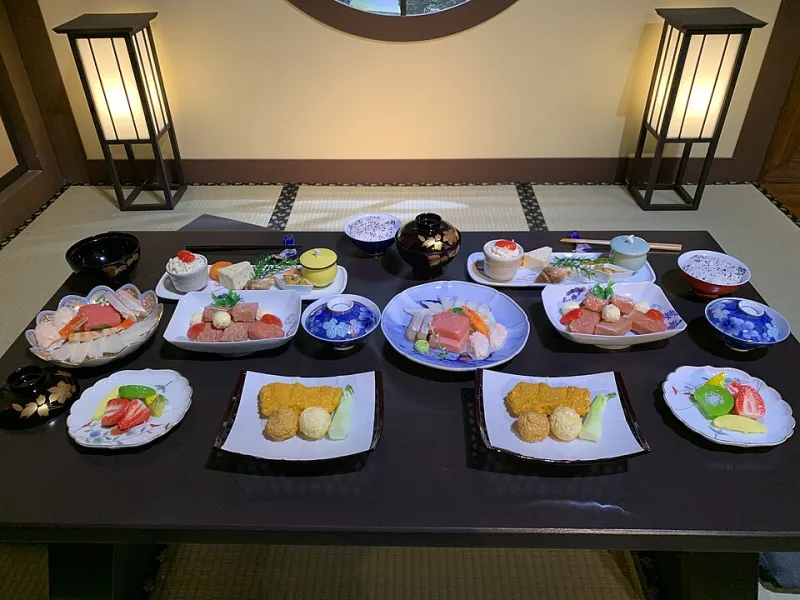
Calm is not the same as empty, and it is certainly not the same as cold. The best quiet bars are warm, sometimes even a little cramped. What they share is a kind of restraint. A short menu of things the kitchen can do well. Drinks that are made with care rather than theatre. A counter seat where you can watch a piece of fish being sliced or a highball being built without feeling like you are at a show.
That restraint is generous. It says: we have thought about what belongs here, and we have left the rest out. In the UK, we are used to menus that try to cover every possible appetite. A Japanese bar often does the opposite. It offers fewer choices and, in doing so, makes the choosing easier. You order three things. You drink something cold and clean. You talk. You linger.
Service as a form of respect
The other thing quiet bars get right is service. Not the scripted welcome and the upsell, but the quieter work of reading a room. A good host notices when a glass is empty, when a couple wants to be left alone, when a solo drinker is happy to chat. In Japan, this is sometimes described as omotenashi — a kind of hospitality that anticipates needs without making a performance of them. It is not about bowing and scraping. It is about attention.
UK diners are not always used to that. We are used to being checked on, sometimes too often, sometimes not enough. A calmer bar changes the rhythm. You are looked after, but you are not managed. That is a rare thing, and it is worth paying for.
The ikigai effect
Ikigai is often translated as a reason for being. In a bar, it can be simpler than that: a reason for the place to exist beyond filling seats. Maybe it is a small sake list chosen by someone who actually drinks the stuff. Maybe it is a single dish the kitchen has refined for years. Maybe it is the decision to keep the music low enough that two people can hear each other.
That sense of purpose is what separates a quiet bar from a merely empty one. A room with no reason to be quiet is just a room with no atmosphere. A room that has chosen calm is making a statement about what hospitality is for. It is not there to impress you with its energy. It is there to give you an evening you can actually enjoy.
Why UK diners are ready
There are signs that the mood is shifting. We are more aware of how loud our cities are. We have spent years working from home and then being called back to offices, and we have become pickier about how we spend our evenings. The cost of going out has risen, which makes a focused, well-run bar more attractive than a sprawling menu that promises everything and delivers half of it.
Small plates have also changed the way we eat. We are used to ordering a few things and sharing, which means we are already halfway to the Japanese bar model. What we have not always learned is how to slow down. A quiet bar teaches that. It gives you permission to order one more drink, then another, without the sense that you should be moving on.
A different kind of Friday night
None of this means every bar should be silent. There is a place for the loud room, the birthday table, the football crowd. But the quiet bar deserves more than a niche. It offers something that UK hospitality often forgets: the idea that a night out can be restful. Not dull, not austere, not a test of your knowledge of sake. Just a room that knows what it is for, and lets you be there.
In 2026, that might be the most underrated thing on the menu.