One Stool, Zero Apology: Why the Solo Counter Seat Is Hospitality’s Best-Kept Secret

Photo: solo diner seated at Japanese counter bar with cocktail and small plates, via www.andbeyond.com
There’s a particular look you get in some UK restaurants when you ask for a table for one. It’s not quite hostility. It’s a pause, a glance at the room, and the phrase ‘I’ll see what I can do’. The subtext is usually that solo dining is a seating problem to be solved, not a night out to be hosted.
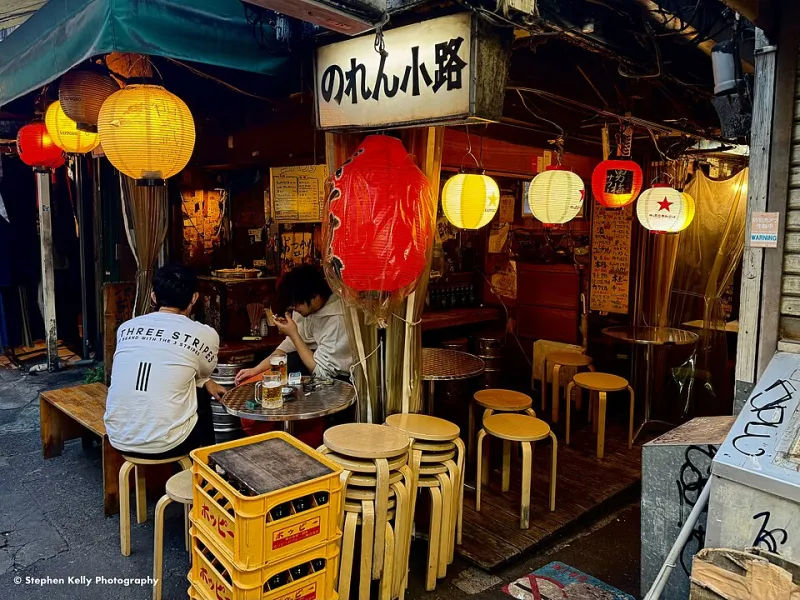
Japan has a different script. Walk into a counter bar in Tokyo, Osaka or even a small izakaya in a provincial town and nobody makes a fuss about one person taking a stool. The counter is not the leftover seat. It is often the best seat in the house: close to the bottles, close to the cook, close to the small theatre of a drink being made. That distinction matters. In Britain, we still tend to treat the solo diner as a compromise. In Japan, the counter seat is an invitation.
The awkwardness belongs to the room, not the diner
British hospitality is built around groups. The pub quiz, the Sunday roast, the Friday round, the birthday table for ten. None of that is bad. But it does mean a solo diner can feel as if they have wandered into somebody else’s private party. All too often, the response is to tuck them away: the tiny table by the door, the stool by the till, the seat that says ‘please eat quickly and let us have the table back’.
The counter flips that psychology. You are not hidden. You are given a front-row view. You can watch the bartender build a highball, see the plates come off the pass, and decide whether to talk or keep to yourself. That choice is the whole point. Solitude is not automatically lonely. Sometimes it is deliberate. The Japanese idea of ikigai is often reduced to a career slogan, but at its heart is the simpler notion of purpose and meaning in ordinary life. A quiet drink, a well-made plate, a seat that faces the action: that can be a purpose for an evening.
What Japan’s counter culture gets right
The counter works because it gives the solo diner a role. You are not waiting for a group to decide on starters. You are not performing conversation. You are simply present. In Japan, counter bars and izakaya make this feel normal. A person might have one beer and two small dishes, read for twenty minutes, chat to the bartender, and leave. Nobody treats that as sad. It is just dinner.
There is also a practical elegance to it. A single diner at a two-top can feel like wasted covers. A single diner at a counter is exactly where they should be: part of the bar’s rhythm, not an awkward gap in the dining room. Good hospitality should not feel like an act of charity. It should feel like a well-designed room doing its job.
Small plates and cocktails are naturally solo-friendly
The sharing menu has its place, but it can be a trap for one. You either over-order or feel like you are missing out. Small plates solve that. Three dishes, ordered at your own pace, is a proper meal. A couple of snacks and a cocktail is a proper night out. You can follow your appetite instead of a group consensus.
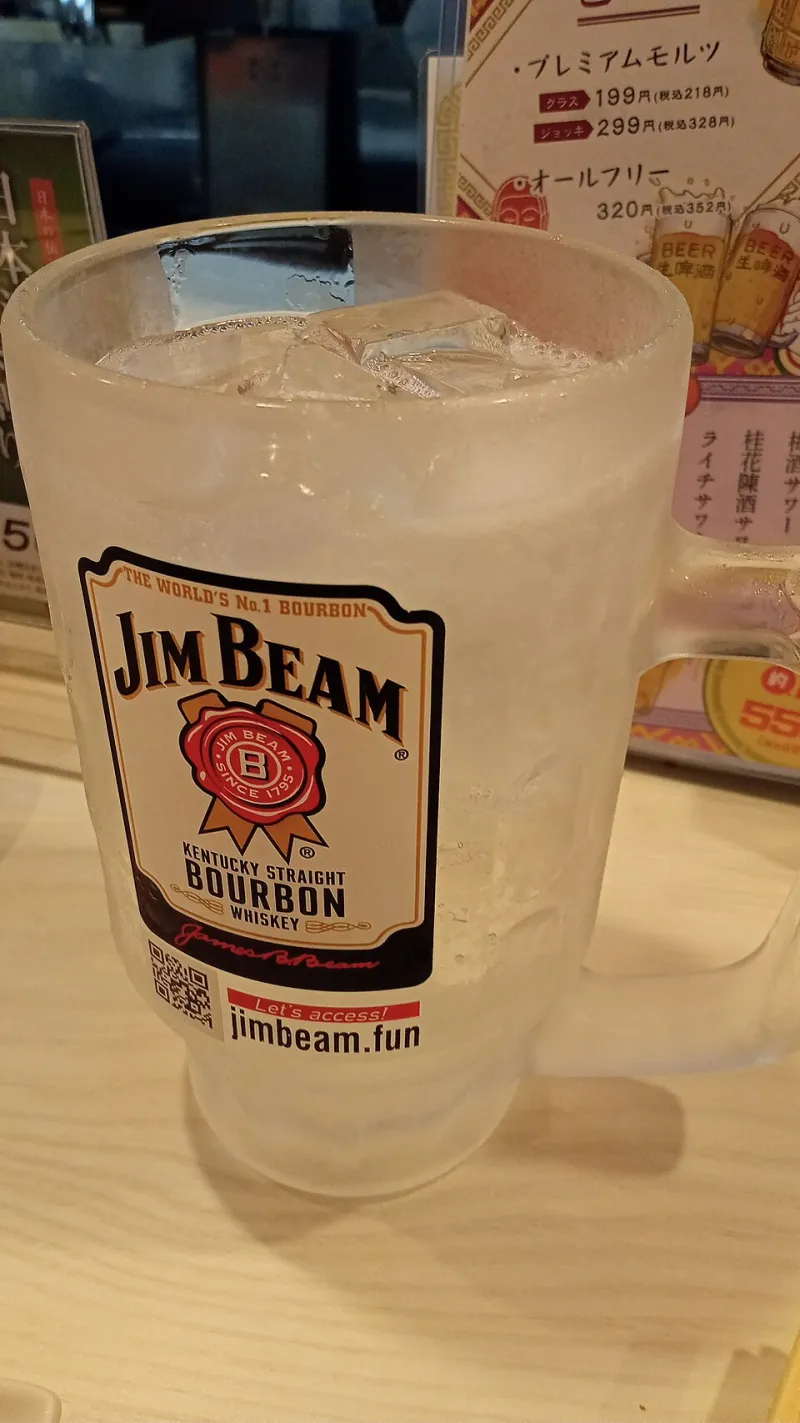
Cocktails suit this too. A highball, a yuzu Collins, a sake spritz or a well-made non-alcoholic serve can be matched to a plate without committing to a bottle of wine. The solo diner gets the same care as the table of six, just in a different format. That is not a downgrade. It is a different kind of hospitality.
How bars can make the solo seat feel like an invitation
A few practical things make a difference, and none of them require a rebuild.
- Treat counter seats as bookable, not leftover. If a solo diner can reserve the best seat in the house, the message is immediate.
- Train staff to offer the counter first, not last. ‘Would you like to sit at the bar?’ should sound like a recommendation, not a consolation prize.
- Make the menu solo-friendly without labelling it as such. A short list of suggested three-plate combinations helps without making anyone feel like a problem.
- Design for comfort. A stool with a back, a hook for a coat, a plug point and enough space for a book or phone make a counter seat somewhere you want to stay.
- Read the cues. Some solo diners want conversation. Some want to be left alone with a highball and a plate of tsukune. Good bar staff can tell the difference.
- Never add a solo supplement or a minimum spend. It turns an invitation into a tax.
The best table is often the one facing the bar
In 2026, UK hospitality is under pressure to make every seat count. The solo counter seat does that without making anyone feel like a spare part. It is good for business, but more importantly it is good manners. It says that a table for one is not a problem to be solved. It is a night out to be hosted.
At Bar Ikigai, the ideal is simple: Japanese small plates, cocktails, and a reason to linger. A solo diner at the counter should get all three. Not because they are easy to seat, but because they have chosen their own company. That deserves a proper seat, a proper drink and no apology.