Beyond Edamame: Seven Japanese Bar Snacks That Earn Their Place on a 2026 Cocktail Menu
Photo: 毒島みるく, CC0, via Wikimedia Commons
Edamame has had a good run. It is green, it is salty, it is easy to share, and it has become the default Japanese snack on British cocktail menus. But in 2026, a menu that stops at edamame is like a bar with one good record. It works, but it does not tell you much about the place.
Japanese bar food is a deep, practical repertoire of salty, savoury, crisp and comforting things. The best of it suits a UK cocktail menu perfectly: small portions, strong flavours, sensible costs and enough novelty to make a night out feel like a night out. This is not a history lesson. It is a menu manifesto. Seven snacks, seven reasons, seven pairings.
1. Blistered shishito peppers
Shishito peppers are the ideal bar snack: mostly mild, occasionally fiery, and built for sharing or for one person to work through without regret. Blister them in a hot pan until the skins char and soften, then finish with yuzu salt or a little soy and sesame. They are cheap, quick and visually striking.
UK sourcing is better than it used to be. British growers now supply shishito in season, and specialist grocers and Asian supermarkets fill the gap the rest of the year. Pair them with a yuzu highball or a gin and tonic with a citrus-forward garnish. The salt and gentle heat make the drink taste brighter. They beat a bowl of pub crisps because they feel like food rather than filler.
2. Mentaiko toast
Mentaiko is spicy pollock roe, and it has a rich, salty, slightly oceanic flavour that makes people sit up. Whip it with butter, spread it on thick-cut toast and grill until the edges crisp. It is decadent, but a little goes a long way, which is exactly what you want from a bar snack.
The ingredient is usually imported frozen, so UK operators should lean on Japanese grocers and specialist suppliers rather than pretend it is local. Pair it with sparkling sake, a shochu tonic or a dry martini. The salt and heat can handle a strong drink. On a UK menu, it signals that the kitchen is interested in flavour, not just decoration.
3. Tsukune skewers
Tsukune are Japanese chicken meatballs, often glazed with tare and served with a yolk for dipping. They are comfort food with a savoury, sweet-salt edge, and they are easy to make with British chicken. Grill or broil them, glaze them properly, and serve two or three on a skewer.
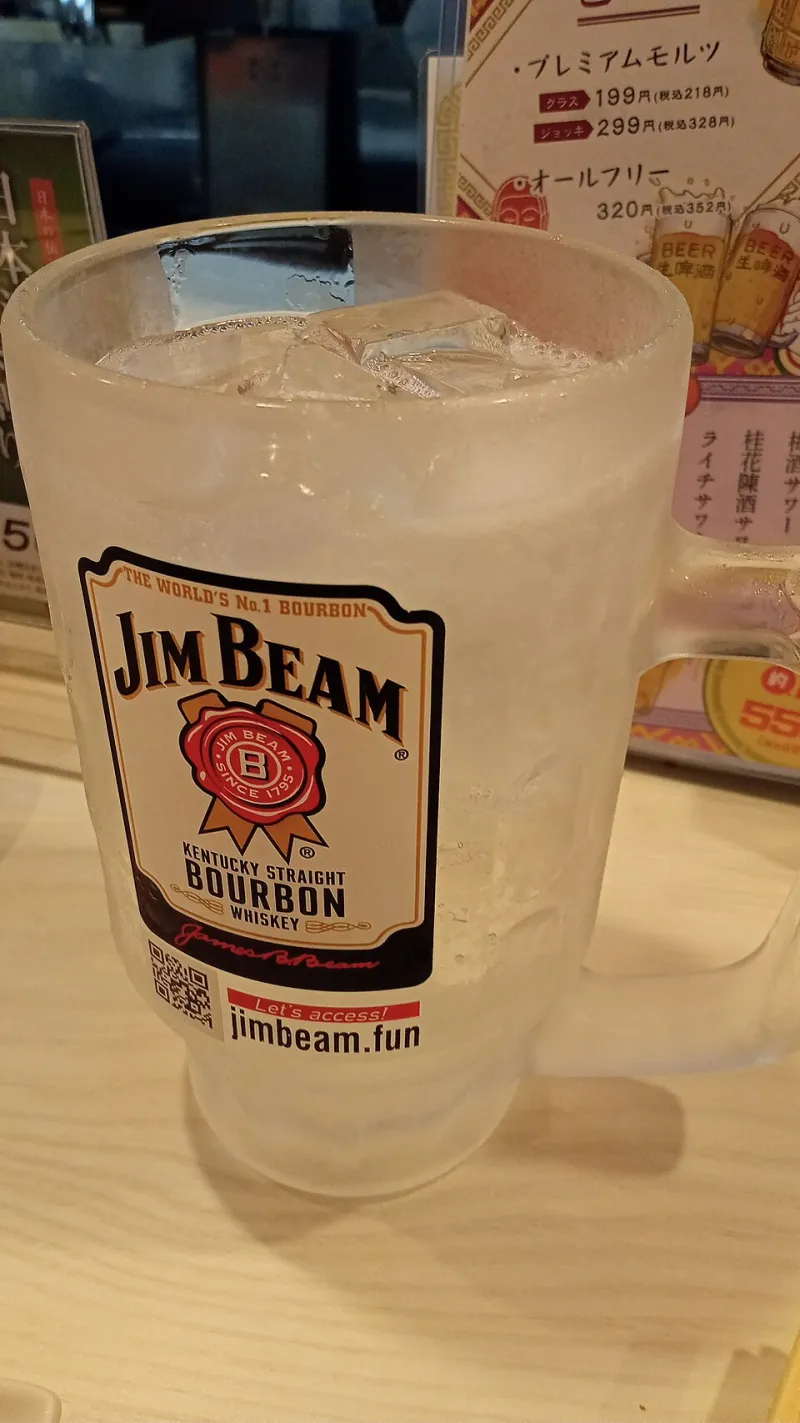
For UK diners, tsukune are familiar enough to feel safe and different enough to feel interesting. Pair with a whisky highball. The smoke and carbonation cut through the glaze, and the whole thing feels like a proper bar order. They also have a better margin than many people assume, because chicken mince is affordable and the prep is simple.
4. Yaki onigiri
Grilled rice balls are one of the great underrated bar snacks. Shape cooked rice, brush with soy or miso, and grill until crisp on the outside and soft in the middle. They are cheap, filling and vegetarian, which makes them useful on any menu.
Pair yaki onigiri with a plum wine spritz or a non-alcoholic citrus serve. The sweetness and acidity balance the savoury glaze. They are also excellent for solo diners: one or two makes a satisfying snack without demanding a full meal. In a country that loves a carb-heavy snack, this should be an easy sell.
5. Miso-marinated cream cheese
This is the quiet overachiever. Mix white miso into cream cheese, let it sit, and serve with crackers, pickles or raw vegetables. It is savoury, tangy and rich, and it takes about five minutes to prepare. British cream cheese works perfectly well; you do not need to import anything expensive.
Pair it with a sake spritz or a light lager. The salt and umami make the drink taste rounder. It is vegetarian, low-waste and easy to scale. On a cocktail menu, it gives people something to nibble without committing to a hot dish. That is useful in a bar where the first drink arrives before the kitchen is ready.
6. Chicken skin crisps
Brits already understand the appeal of a salty, crunchy bar snack. Chicken skin crisps take that instinct and push it further. Render chicken skin until crisp, season with salt, sansho pepper or a little shichimi, and serve warm. It is not health food. It is not supposed to be.
UK sourcing is straightforward: chicken skin is often a by-product, so the snack makes sense economically and ethically. Pair with a highball or a crisp pilsner. The texture is the point. It gives a cocktail menu the kind of salty crunch that makes people order another drink. Pork scratchings have had a long reign. They can share the bar.
7. Korokke
Korokke are Japanese potato croquettes, usually made with mashed potato and a little minced meat or vegetables, coated in breadcrumbs and fried. They are comforting, cheap and deeply suited to the UK palate. Serve them with tonkatsu sauce or a sharp Japanese-style pickle.
Pair with a whisky highball or a plum wine spritz. The potato and crunch give the drink something to work against, and the portion size is right for a snack menu. They are also freezer-friendly, which matters for bars trying to control waste in 2026. A good korokke is not fancy. It is just satisfying.
Why these snacks beat standard pub nibbles
Pub nibbles are not the enemy. Crisps, nuts and scratchings have their place. But a cocktail menu in 2026 should offer more than salt in a bowl. Japanese bar snacks bring texture, umami and a sense of occasion without requiring a full dining room. They are small, they are shareable, and they are interesting enough to make a drink feel like part of a meal rather than a pause before one.
For UK operators, the practical case is strong. Most of these snacks use affordable ingredients, simple prep and flexible portion sizes. They suit a bar that wants to serve solo diners, couples and small groups without building a vast menu. They also pair naturally with cocktails, because they are built around salt, fat, acid and crunch.
The menu advice is simple. Keep the list short. Price the snacks to encourage a second order. Print the pairing, not just the ingredient. Train staff to recommend one snack with the first drink and another with the second. And do not bury the good stuff at the bottom of the menu under a paragraph about provenance.
Edamame can stay. It is a fine opener. But a 2026 cocktail menu should have more than one note. Seven snacks is enough to build a rhythm: something green, something rich, something grilled, something crisp, something comforting. That is a bar worth lingering in.