The Sharing Menu Isn't Broken — We Just Stopped Giving It a Reason to Exist
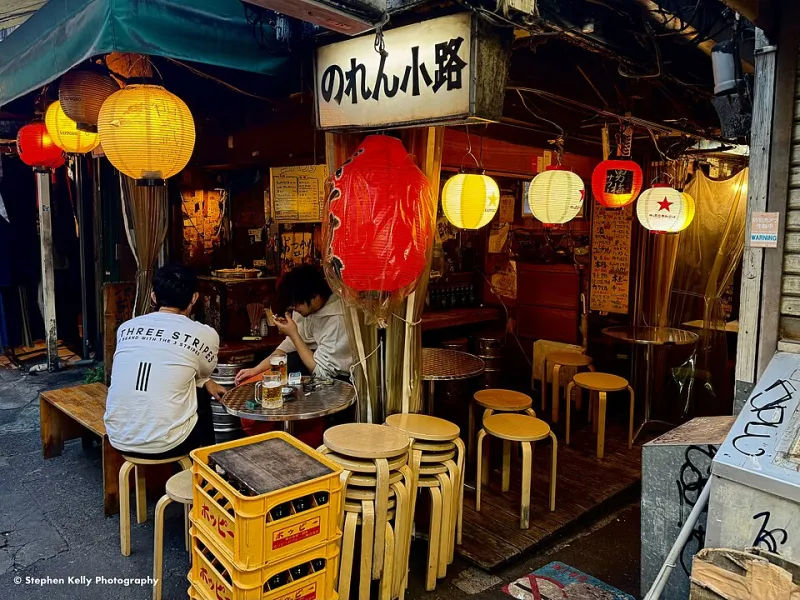
Photo: Stephen Kelly from San Francisco, CA, USA, CC BY 2.0, via Wikimedia Commons
Let's start with the bowl. You know the one. It arrives at the centre of the table, somewhere between a ramekin and a proper side dish, carrying about six forkfuls of something delicious and a price tag that makes you check the menu twice. Nine pounds. Maybe ten. The table goes quiet. Someone says, 'Shall we order more?' And that, right there, is the moment the UK's relationship with small plates started to curdle.
It Was Never About the Plates
The backlash is easy to understand. We have spent years being told that sharing is generous, sociable and modern, while quietly calculating whether two skewers and a smear of mayo counts as dinner. We have ordered 'a few things for the table' and watched a £9 bowl of something disappear in ninety seconds. We have done the awkward arithmetic of splitting a bill when one person had three small plates and someone else had a lemonade and a lot of bread.
But small plates are not the villain here. Thoughtless small plates are. The UK did not fall out of love with sharing; it fell out of love with menus that use sharing as a business model rather than a way of eating. A plate of croquettes and a plate of peaches are not the same proposition. One is a snack with a job. The other is a question mark with a price.
In Japan, the small-plate model is not a trend to be endured. It is simply how an izakaya works. You order a few things. You drink something long and cold. You order a few more. The plates are small because the table is doing several things at once: talking, drinking, nibbling, deciding. They are not small because the kitchen is hoping you will panic and order six of them.
That distinction matters. The best Japanese-inspired drinking food is not coy about its purpose. Gyoza have a job: salty, crisp edges, something to dip. Edamame has a job: something to do with your hands while you work out what you actually want. Karaage has a job: richness, lemon, a little pot of mayo. Yakitori has a job: smoke, salt, a reason to order another highball. If a dish cannot explain why it is on the table, it should not be on the menu.
Fewer Things, More Purpose
The Japanese idea of ikigai is often translated as a reason for being. It is not a business slogan, and it is not a magic formula for happiness. At the table, though, it is a useful filter. Fewer things, done with more purpose. A menu that knows what it is for. A dinner that knows when it is done.
That is the opposite of the small-plates relay race many of us have been running. Order. Wait. Eat. Order again. Wait again. Ask if the rice is coming. Ask if the kitchen has forgotten the thing with the thing. Spend two hours chasing a meal rather than having one. Somewhere in the middle, the pleasure leaks out of the evening.
The fix is not to abandon sharing. It is to build a table with a shape. A good small-plates menu is not a list of twenty-four unrelated opportunities. It is a sequence: something cold and sharp to start, something fried and salty to keep the first drink company, something grilled or braised to slow the pace, a rice or noodle dish to land the plane, and perhaps one sweet thing if the conversation is still going. Each dish earns its place. Each round has a reason.
At Bar Ikigai, we are obviously biased. But the principle travels. A Japanese-leaning bar menu works when the kitchen is not trying to impress you with range. It works when there are eight things you want rather than thirty things you might. It works when the person taking your order can tell you what to start with, what comes quickly, and what is worth waiting for.
The Practical Art of Ordering Well
So here is a quieter way to do it. For two people, think three snacks, two slightly larger plates, one rice or noodle dish and one sweet if you are still enjoying yourselves. For four, double most of that, but do not try to order the whole menu. The point is not to taste everything. The point is to have a good two hours.
Order in two waves, not four. Let the first round arrive. Eat it. Talk about whether you want more of the same or something different. Keep the menu open, but do not treat it as a to-do list. Ask what the kitchen can send quickly, and ask what is best with the drink you have in front of you. Leave one dish back until you know whether you are still hungry or just still thirsty. Those are different problems, and they need different solutions.
Use the £9 bowl test. Would you order this if it were the only thing on the table? Does it bring something the table does not already have — texture, temperature, acid, salt, a bit of theatre? Is there enough of it to matter? If the answer is no, skip it. There is no shame in ordering less and enjoying it more. A sharing menu should feel like an invitation, not a dare.
The UK can fall back in love with small plates. It just needs restaurants to stop hiding behind the word 'sharing' and start putting a bit of thought on the plate. Fewer dishes. Clearer portions. A proper sense of pace. A reason for every bowl. That is not a revolution. It is just dinner, done with a little more purpose.