The Case for a Two-Hour Tuesday: What Japan's Nomikai Gets Right About After-Work Drinking
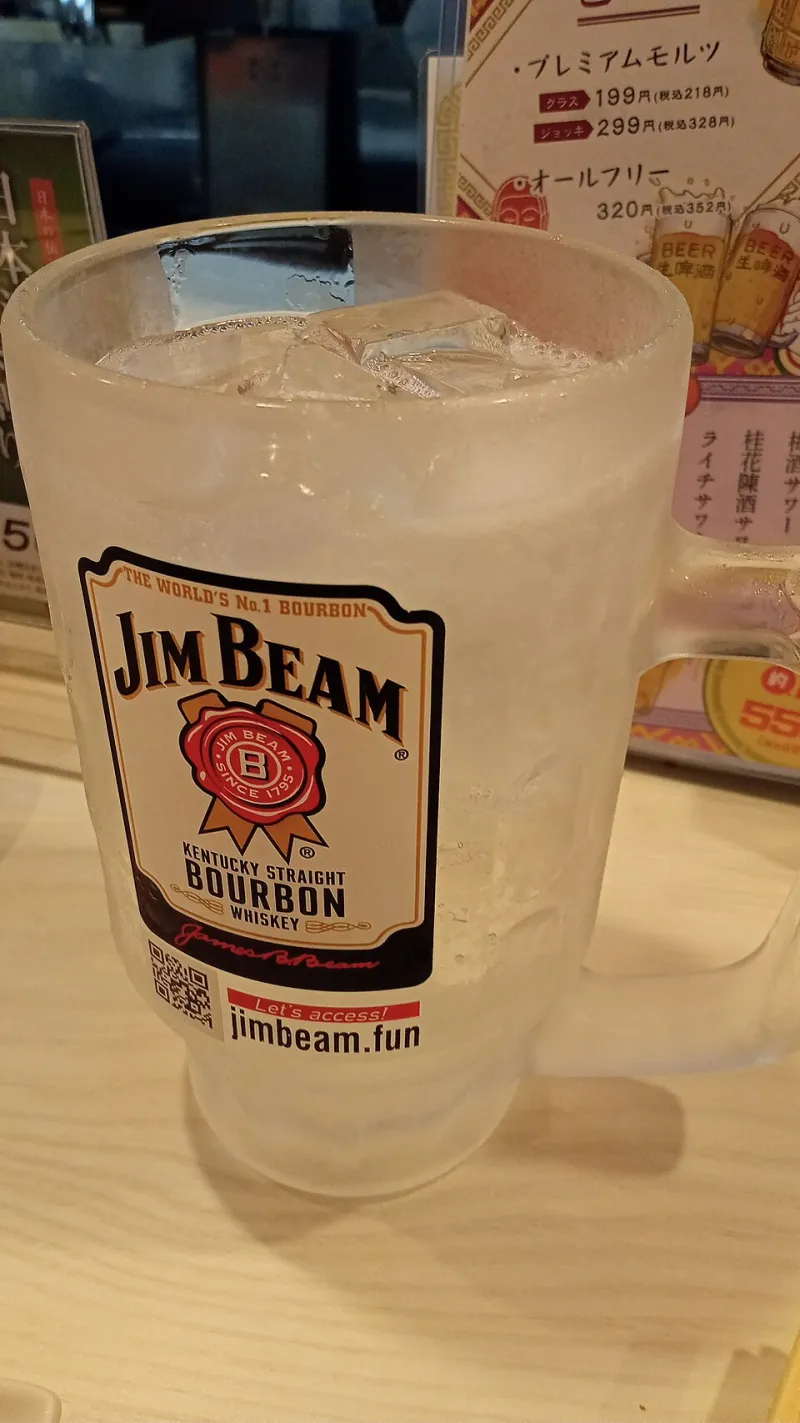
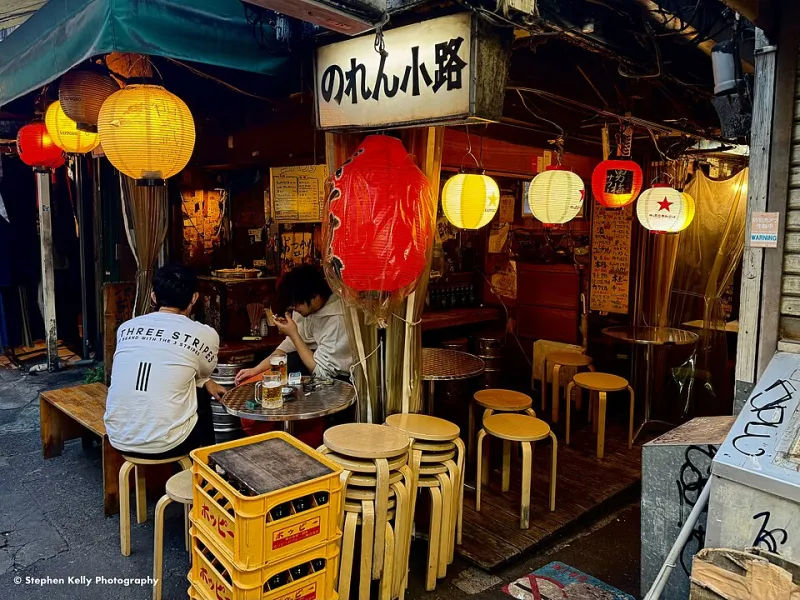
Photo: 経済特区, CC BY-SA 4.0, via Wikimedia Commons
There is a particular kind of UK after-work evening that begins with the best intentions and ends with a bag of chips on a platform. Someone suggests one drink. One drink becomes two because the table is finally talking properly. Two becomes three because the train is twenty minutes away and the bar is warm. By the time you get home, the evening has stopped being a transition from work to life and become a small act of endurance.
The alternative is usually nothing at all. You go home. You eat something from the fridge. You tell yourself you will go out on Thursday instead, and then Thursday arrives with its own excuses. British weeknight drinking often feels like a choice between a quiet night in and a full-scale night out. There is very little in between.
Japan's nomikai offers that in-between. The word literally refers to a gathering for drinking, usually after work, but the useful bit is not the drinking. It is the shape of the evening. A nomikai tends to have a set start time and a set finish time. Food is not an afterthought or a packet of crisps; it is built into the proceedings. The point is to mark the end of the working day with colleagues or friends, not to see how long you can stay upright.
A Bounded Evening Is a Civilised Evening
That might sound terribly sensible, and it is. But it is also more enjoyable than the British all-or-nothing model. A two-hour window does something useful: it gives the evening a beginning, a middle and an end. You arrive. You order. You talk. You eat. You have another drink. You notice the time. You go home at a reasonable hour, having actually had a night out.
The nomikai model also puts food in the right place. In the UK, we often treat food as something that happens before drinking or after drinking — a lining, a recovery, a punishment. In Japan, drinking food is part of the pleasure. You order edamame because it goes with the first drink. You order karaage because it goes with the second. You order rice or noodles because you are still there and the evening needs a landing. The food does not interrupt the drinking. It gives it a rhythm.
And then there is the drink itself. A nomikai is not necessarily a spirits-led affair, but a Japanese-leaning bar list makes a strong case for the highball as the weeknight drink of choice. Whisky and soda, shochu and soda, a yuzu highball, an umeshu soda — these are long, cold, lower-strength drinks that can sit alongside food without turning a Tuesday into a blur. They are built for pacing. They are built for talking. They are built for a second round that does not need to become a fifth.
What the UK Gets Wrong
British after-work culture is oddly formal in its informality. The pub is a great institution, but the script is thin: stand at the bar, get a round in, drink it faster than you meant to, repeat. Food is often an apology rather than a plan. And because there is no natural finish line, the evening either fizzles out early or accelerates towards the last train.
A bounded, food-led evening changes the psychology. You are not trying to extract every last drop from the night. You are trying to mark the transition from work to not-work. That is a different job, and it needs different tools. A booked table helps. A set finish time helps. Ordering food before the second round helps. Knowing that you will be home before the late news helps most of all.
A Practical Guide to the Two-Hour Nomikai
Start at six, finish at eight. If that sounds early, remember that the point is to have a life after the evening, not just an evening. Book a table rather than chancing it at the bar. A table gives the evening a container. It also makes it easier to order food properly instead of surviving on bar snacks.
Order food in three small rounds. Round one: something cold, salty and quick — edamame, pickles, a little sashimi if the kitchen is good at it. Round two: something fried or grilled — karaage, gyoza, yakitori, a crisp bit of something with a dip. Round three: a rice or noodle dish to finish, or a couple of larger plates if the table is still hungry. Keep the drinks long and cold. Have water on the table. Do not order the whole menu at once; let the evening breathe.
For pairings, think about weight and contrast. A Japanese whisky highball is lovely with karaage: the carbonation cuts the richness, the smoke meets the salt. A yuzu gin sour works with sashimi or anything citrusy and clean. An umeshu soda is good with salty, grilled things — it has enough sweetness to handle char without turning cloying. If you are not drinking alcohol, a shiso soda or a yuzu tonic does the same job: long, cold, food-friendly, and not an afterthought.
When to Call It
Call it when the food is done, not when the bar closes. Call it when the conversation has had a proper run rather than when it starts repeating itself. Call it when you are still enjoying the idea of going home. That is the secret of the nomikai model: the finish line is not a punishment. It is part of the pleasure.
A Tuesday does not need to be a big night. It needs to be a good one. A set start, a set finish, a table with food on it and a long drink in front of you — that is a more civilised way to go out than most of us manage. It is also, quietly, a better reason to linger.