One Dish, Whole Evening: Five Japanese Plates That Earn Top Billing
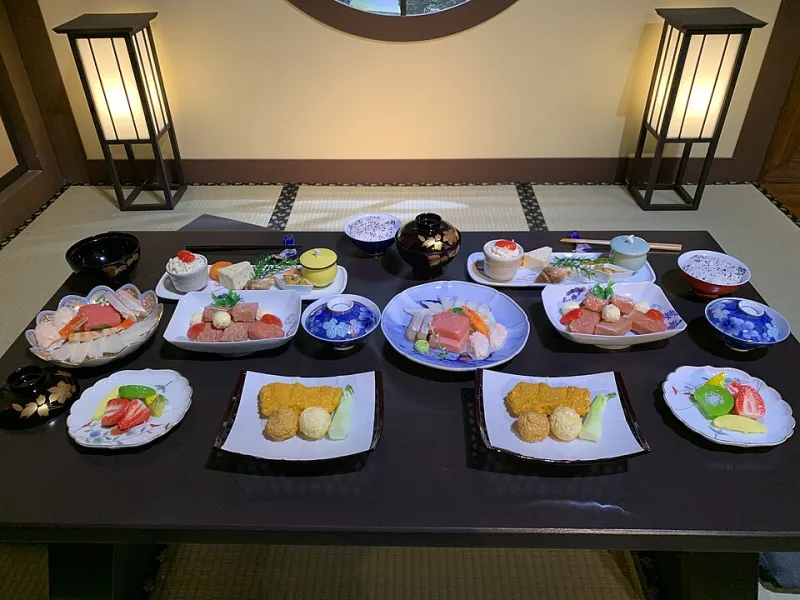
Photo: Chainwit., CC BY 4.0, via Wikimedia Commons
Small plates have a branding problem. They are sold as a way to try more, share more, and keep the evening moving. In practice, they often become a relay race: order six things, eat them in twelve minutes, wonder what you actually tasted. Somewhere in the middle, the point of going out gets lost.
There is another way. Pick one dish. Let it be the centre of the evening. Then build around it — a drink, maybe a second small thing, but no panic. Japanese bar food is particularly good at this because it is designed to be savoured rather than rushed. The plates below have enough depth to carry a meal. They are not supports. They are the reason you booked.
Why one plate can be enough
A good plate does more than fill a gap. It gives the evening a shape. It can be rich or clean, soft or crisp, subtle or loud. What matters is that it has a point of view. When you order one thing with intention, you notice it more. You eat more slowly. You are more likely to remember it.
This is not about being precious. It is about editing. A short menu is a kind of confidence. A single plate can be, too.
1. Nasu dengaku — miso-glazed aubergine
If you think aubergine is a background vegetable, this is the dish that will change your mind. Nasu dengaku is usually split, scored, grilled or fried until soft, then brushed with a sweet-savoury miso glaze. The best versions have a deep caramelised edge and a centre that collapses at the touch of a chopstick.
It is rich, so it does not need a crowd. Pair it with a dry junmai sake or a cold lager. In the UK, you will find it in Japanese bars from London to Manchester, sometimes as a small side and sometimes as the best thing on the table. Give it top billing and see what happens.
2. Okonomiyaki
Okonomiyaki is often described as a Japanese savoury pancake, which is a bit like calling a Sunday roast a sandwich. It is a cabbage-heavy batter cooked on a griddle, layered with pork, seafood or vegetables, then finished with sauce, mayonnaise, seaweed and bonito flakes. It is substantial without being heavy, and it has a built-in sense of occasion.
Order one to share, or keep it to yourself if you are feeling brave. Drink something with a bit of acidity — a highball, a yuzu sour, or a crisp pale ale. The point is not to treat it as a side. It is a main event that happens to be round.
3. Kakuni — braised pork belly
Kakuni is pork belly simmered slowly in soy, sake, mirin and sugar until it is soft enough to cut with a spoon. It is usually served in small cubes with a little mustard, sometimes with a boiled egg or a piece of daikon. It is intense, sticky and deeply comforting. It also demands attention.
A plate of kakuni can anchor a whole evening. Pair it with a warm sake or a shochu highball. If you are in a bar with a short menu, this is the dish that justifies the trip. One piece, a drink, and a seat at the counter is a perfectly complete night out.
4. Agedashi tofu
Agedashi tofu is a quieter plate, but it is not a lesser one. Silken or firm tofu is dusted with potato starch, fried until the outside is crisp, and served in a warm dashi broth with grated daikon, ginger and spring onion. The contrast between the crisp shell and the soft centre is the whole point.
It is the kind of dish that makes you slow down. Order it alongside something richer, or let it be the clean centre of a lighter meal. A light junmai or a cold barley tea works well. In a UK bar, it is also a reminder that Japanese food is not all about raw fish and big flavours. Sometimes it is about texture and restraint.
5. Yaki udon
Yaki udon is stir-fried thick noodles with vegetables, pork or seafood, usually seasoned with soy, mirin and a little butter. It is the kind of dish that feels like a final course, the shime that sends you home happy. But it can also be the main event if you let it.
Order it when you want something savoury and filling without a full restaurant meal. Pair it with a highball or a cold beer. It is not fancy. It does not need to be. It is the plate that says: this is enough.
The case for less choice
There is a reason Japanese bars often have short menus. It is not because they lack imagination. It is because they know what they do well, and they would rather do a few things properly than a lot of things adequately. That is a lesson UK diners can borrow.
Next time you go out, resist the urge to order the whole menu. Pick one plate. Give it your attention. Then see whether the evening feels fuller, not emptier. Less choice can mean more pleasure. And a single dish, done well, can be the whole reason you went out in the first place.