The Dish You Didn't Order: In Defence of the Otōshi

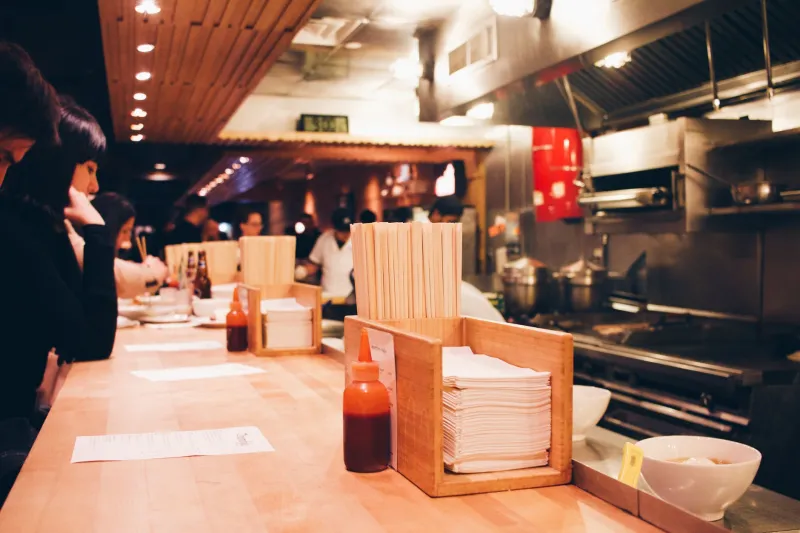
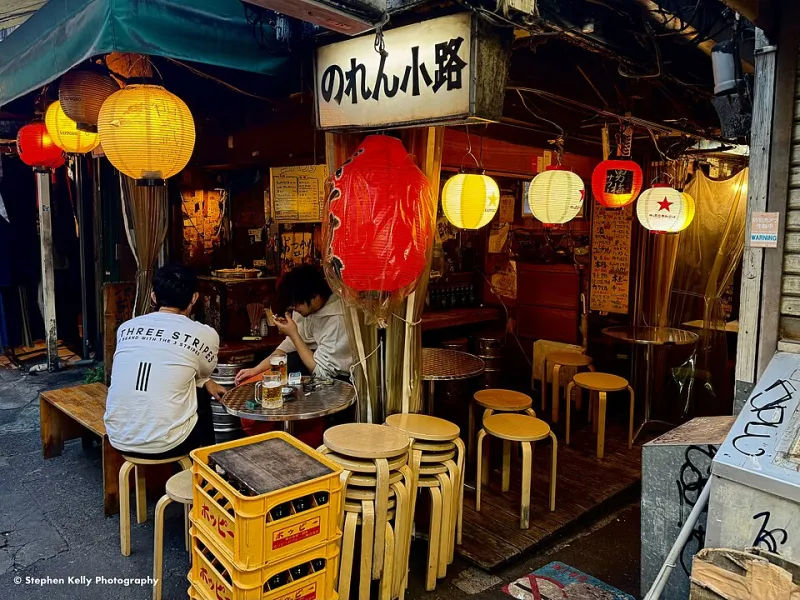
Photo: Japanese otoshi small plate edamame pickles izakaya table, via img.freepik.com
There's a particular look on a British diner's face when a small dish lands unbidden at the table. It's a mixture of suspicion and mild outrage. We didn't order that. Is it free? Is it a trick? Will it appear on the bill? In Japan, that dish has a name — otōshi — and nobody blinks. It is the small plate that arrives when you sit down, and it is one of the most honest things a bar can do.
In the UK in 2026, we have quietly replaced the otōshi with something far worse: the unexplained service charge and the table that wants you gone in ninety minutes. We have taken the welcome out of the start of the night and the generosity out of the end. It is time to bring it back.
What otōshi actually is
Otōshi is not a freebie. It is a small dish — often edamame, pickles, simmered hijiki, a cube of tofu, tiny fish, or something seasonal — that the kitchen sends out when you take your seat. It appears on the bill as a modest charge, usually a couple of pounds in UK terms. In Japan, it is understood as a seat charge with something edible attached. It says: you have a place here, the kitchen is awake, and the night has started.
It is not an appetiser you chose. It is a greeting. And because it is chosen by the kitchen, it tells you something about the bar before you have read the menu. A good otōshi is a promise. A lazy one — a bowl of cold edamame with no seasoning — is a warning.
Why British diners bristle
We have been trained to see the menu as a contract. If it is not listed, it should not be charged. That instinct is healthy. But it has been exploited by a hospitality industry that prefers invisibility. The discretionary service charge is the obvious example: 12.5% added to the bill, described as optional, rarely questioned. The ninety-minute table is another: you are welcome, but not for long. Neither of those things is hospitality. They are admin.
The otōshi is different because it is visible. It arrives in front of you. You can eat it or not. The problem is not the charge; the problem is the explanation. If a server puts down a dish and says nothing, of course you feel uneasy. If they say, 'We start every table with a small dish from the kitchen — it's £2.50 and it's on the menu as otōshi. If you'd rather not, just say,' the whole thing changes. That is not a hidden fee. That is a cover charge with craft.
The honest line on the menu
A well-run UK bar-and-kitchen should put otōshi on the menu as a line item. Not as a surprise, not as a 'cover charge', but as the first small plate: Otōshi — the dish we choose to start your night. £2.50. Today it's miso-cured cucumber with sesame. It should change daily. It should be made with the same care as the plates you order. And it should be explained at the door, not muttered at the till.
In 2026, the economics are simple. A £2.50 dish is not a revenue scheme. It is a ritual. It gives the kitchen a chance to say hello. It gives the guest something to do while they read the menu. It slows the start of the night by thirty seconds and sets the rhythm for the next two hours. If a bar needs to cover its costs, it should do so openly — not by adding a vague percentage to the bill and hoping nobody asks.
What it does to the room
A bar that sends out a small dish before you order is confident. It says the kitchen is thinking. It also removes the awkwardness of the first minute: the menu arrives, the server asks if you're ready, you say no, they disappear. With an otōshi, the first interaction is generosity. The second is ordering. That is a better sequence.
It also changes how you feel about the bill. If you have been given something — even something you paid for — the transaction feels fairer. The service charge feels like a tax. The otōshi feels like a deal. That is the difference between a bar that wants your money and a bar that wants your evening.
How to do it properly in the UK
My proposal for 2026 is not complicated. Price it between £2 and £3. Rotate it with the seasons: pickled daikon in winter, salted cucumber in summer, a spoon of sesame spinach or a piece of tinned fish on shiso. List it on the menu. Train staff to say it without apology. Add it to the bill as 'otōshi', not 'cover charge'. And if a guest says they don't want it, take it away with a smile. The ritual only works if it is offered, not imposed.
Above all, drop the ninety-minute table where you can. If you must turn tables, say so at booking, not after the otōshi has landed. The dish is a promise that the night is yours. The clock is a threat. You cannot do both.
Next time a small plate arrives unasked, don't recoil. Ask what it is. If it costs two pounds and tastes good, that is not a trick. That is a bar telling you the truth.