Start Long, Finish Strong: The Case for a Modest First Pour
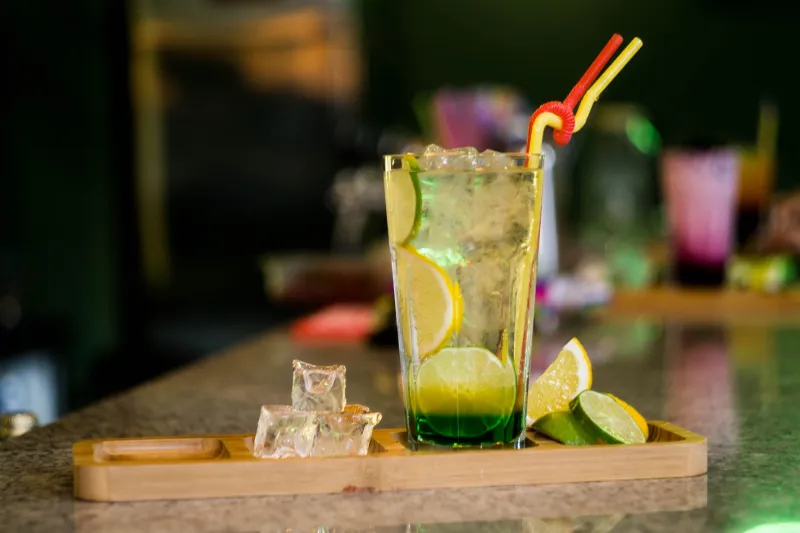
There is a particular moment in a British bar at around seven in the evening when the menu becomes a personality test. Fourteen ingredients, three house signatures, a smoked thing under a cloche. You order the strongest, most complicated drink on the list because it feels like the correct way to start a night out. Then the small plates arrive, your palate is somewhere under a pile of bitters and sugar, and the second drink is a shrug rather than a pleasure.
We have got the opening move wrong. Not because strong drinks are bad, or because a well-made martini has no place in a good evening, but because the first drink is not really about impact. It is about tempo.
The First Drink Is a Tempo, Not a Test
A cocktail menu is designed to show off. That is its job. It tells you what the bar can do, what the kitchen is thinking, what the team is excited about. But a menu is not a schedule. You do not have to begin at the most complicated point simply because it is printed at the top.
In Japan, the opening drink in an izakaya or a standing bar is often deliberately unshowy. A highball. A cold beer. A glass of something sparkling and low in alcohol. Nobody treats this as a compromise. It is understood that the first drink has a job: to cool you down, wake up your appetite, and leave room for what comes next.
That is a useful habit for a UK night out that increasingly revolves around small plates. If you are going to order five or six dishes over two hours, you do not want your first sip to be the loudest thing that happens all evening.
What the Highball Actually Does
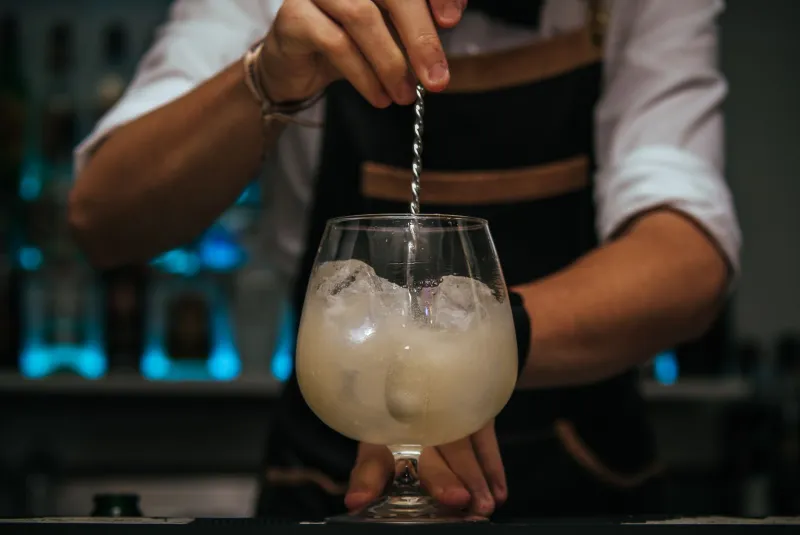
The whisky highball is not a watered-down compromise. It is a precise, pleasurable drink: whisky, soda, plenty of ice, a tall glass, a quick stir. In Japan it is everywhere — in izakayas, at train station bars, in homes — and it has a long post-war history as a way of making whisky approachable and food-friendly.
The highball works because it does several quiet things at once. The carbonation lifts fried food and cuts through richer plates. The low alcohol content means you can drink it slowly without your evening accelerating away from you. The ice and soda keep your palate clean between bites. And because it is long, it gives you something to do with your hands while you decide what to order next.
At Bar Ikigai, we are not suggesting every first drink must be a highball. But the principle is sound: start with something long, cold and lower in strength, and let the night find its own pace.
A Cold Beer Is Not a Cop-Out
There is a snobbery in some cocktail circles about opening with beer. Ignore it. A small, well-poured lager before dinner is one of the most civilised moves available. It is bitter enough to wake up your appetite, cold enough to refresh, and low enough in alcohol that you are still making good decisions when the second round arrives.
Japanese bars often make this easy by serving beer in small glasses, which is a habit worth stealing. A half-pint of something crisp does more for a plate of salt-and-pepper squid than a barrel-aged negroni ever will. And if you are in a pub that takes its beer seriously, so much the better. The point is not the label. The point is the pace.
The Sparkling Option
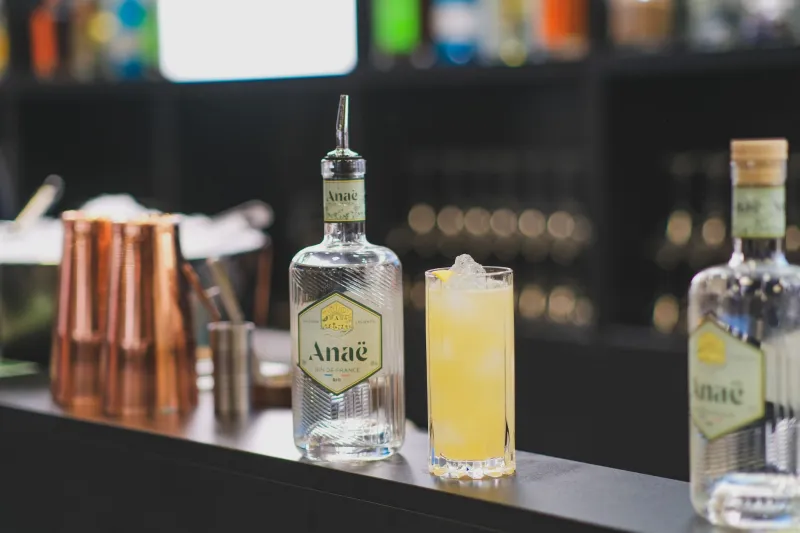
Not every opener needs alcohol. A soda with a good squeeze of citrus, a glass of sparkling water with a slice of yuzu, or a low-alcohol aperitif over ice can do the same job. It keeps your head clear, your palate ready, and your options open.
This is not a dreary concession to moderation. It is hospitality to your future self. The person who orders a soft opener is not less fun at the table. They are simply more likely to still be enjoying themselves at ten o'clock.
How to Build a Better Rhythm
If you want to put this into practice, keep it simple. Order one long, cold drink before the food arrives. Let it do its work. Order a couple of small plates. Taste them properly. Then, when you are ready, order the cocktail you actually came for.
The second drink earns its place that way. It is not a rescue mission. It is a reward. You have eaten something, you have settled into the room, and your palate is awake rather than battered. A spirit-forward drink at that point tastes like a decision rather than an accident.
There is a reason the Japanese bar habit of starting long and low has survived. It is not about restraint for its own sake. It is about making the whole evening better. The first drink should not be the headline. It should be the handshake.
At Bar Ikigai, we like a bar that gives you a reason to linger. A modest first pour is part of that. It says: we are not in a hurry, and neither should you be. Order the boring one first. The rest of the night will thank you.