Pay, Don’t Perform: A Calmer Way to Settle the Bill
There is a particular British ritual that begins when the pudding menus are cleared and the card machine starts its slow journey around the table. Someone says they only had a starter. Someone else thinks the service charge is already included. A third person has gone quiet because they do not want to be the one who looks mean. The food was good, the drinks were better, and yet the final ten minutes undo half the good work of the previous three hours.
This is not really about money. It is about friction. And in 2026, when a night out still asks a fair bit of the weekly budget, friction is the last thing any of us need. The Japanese bar has a useful lesson here, not because it is exotic or fussy, but because it treats paying as part of the hospitality rather than an awkward epilogue.
The Japanese bar does not hide the arithmetic
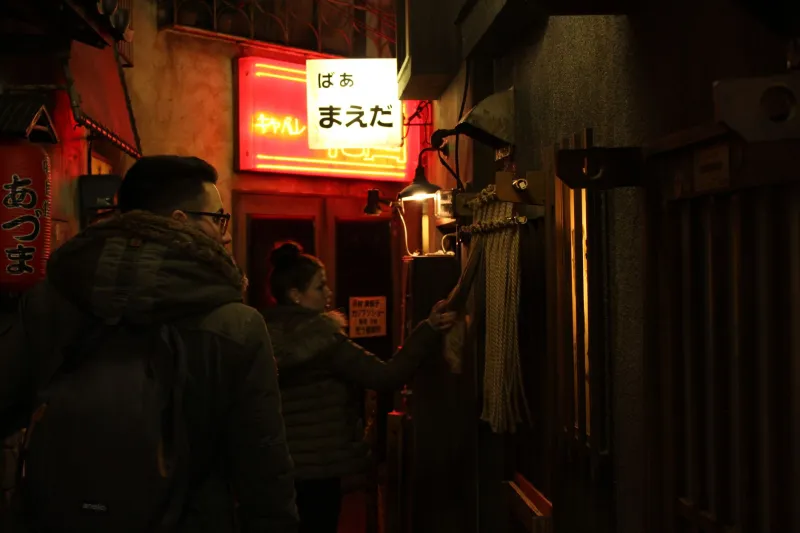
Walk into a good izakaya and the prices are where you expect them to be. The small plates are listed, the drinks are listed, and the otōshi — the small compulsory snack that lands without being ordered — is usually explained or understood. You may not love every line of the bill, but you are not ambushed by it. The bill arrives as information. In too many UK restaurants and bars, it arrives as a rumour.
That matters more than it sounds. Clear pricing is not just admin. It lets a table relax. It lets people order a second round without doing mental arithmetic under the table. It lets the person who is paying know what they are paying for. A bar that is straight with you about money is saying something simple: we want you to stay, and we do not want you to leave feeling stung.
Small rounds beat one huge reckoning
The Japanese bar habit of ordering in rounds is often mistaken for a drinking custom. It is also a billing custom. When a table orders two or three small waves rather than one enormous opening salvo, the final bill is less of a shock and easier to unpick. A round is a small social unit. It gives everyone a natural moment to check in: another drink, another plate, or shall we settle?
In the UK, we tend to open one tab and let it run. That is convenient, but it can turn the bill into a mystery novel. If you know you are ordering in stages, you also know roughly where the night stands. That is useful when a cocktail costs what it does in 2026 and when nobody wants to spend the last twenty minutes reconstructing who had the second glass of wine.
One bill is not one person’s problem
The single shared bill is one of the most civilised things a group can agree to. It is also one of the most easily mismanaged. The fix is not a better calculator app. It is a sentence, said early. We are splitting this evenly. Or: we are keeping a tab and settling by transfer. Or: I will put this on my card and you can send me what you owe.
None of those options is morally superior. An even split is a hospitality choice, not a failing. It works when everyone has roughly shared the same kind of night. It works less well when one person has had tap water and a bowl of edamame while another has worked through the cocktail list. If that is the shape of the table, say so before the card machine lands. A quick word at the start is worth ten awkward minutes at the end.
The Japanese bar model often keeps one tab for the table, with one person settling and the group sorting it out afterwards. That can be generous and efficient, but only if the person paying is not left chasing. If you are that person, say what you need. If you are not, pay promptly and without making a performance of it. The point is not to be the most generous person at the table. The point is to make the ending easy for everyone.
Service charge should be a sentence, not a mystery
Service charge is not a tip, and it is not a riddle. It is a line item. In 2026, with menus repriced and diners more careful about what they are spending, it should be printed clearly and explained plainly. If it is discretionary, say so. If it is twelve and a half per cent, do not let it appear like a surprise guest on the final page.
UK diners are increasingly willing to ask. That is not rude. It is adult. A good bar can answer without defensiveness: this is what the charge is, this is who it goes to, and this is how you can adjust it if you need to. Transparency does not make a place feel cheap. It makes it feel confident.
Who orders the last round?
The last round is where good nights often go slightly wrong. One person orders it loudly, another did not want it, and a third feels obliged to match it. The Japanese habit of a final small order — sometimes a bowl of rice, sometimes a highball, sometimes simply the bill — is a useful corrective. The last round should be small, optional and decided by the table rather than the loudest voice.
A simple script helps. Ask: one more, or shall we settle? That gives everyone an exit. If the answer is one more, keep it modest. If you are hosting, be clear about what you are covering. If you are a guest, offer to contribute before the bill arrives, not after the coat is on. And if you are the one who always ends up paying, it is fine to say so in advance. Generosity with clear edges is still generosity.
A calmer last ten minutes
Ask for the bill at the same time as the last drinks. Agree the method before the card machine arrives. Let one person pay and settle by transfer if that is quicker, or split it evenly if that is fairer. Round up if you want to, but do it deliberately rather than out of panic. And thank the person who made the ending easy.
At Bar Ikigai, we talk a lot about the first thirty seconds of a night out. The last ten matter just as much. A good bill is not the absence of generosity. It is generosity with clear edges. In 2026, a night out costs enough. Do not let the final scene be the bit everyone remembers for the wrong reason.