The Ice You Can See Through: Why Clear Cubes Make a Better Cocktail
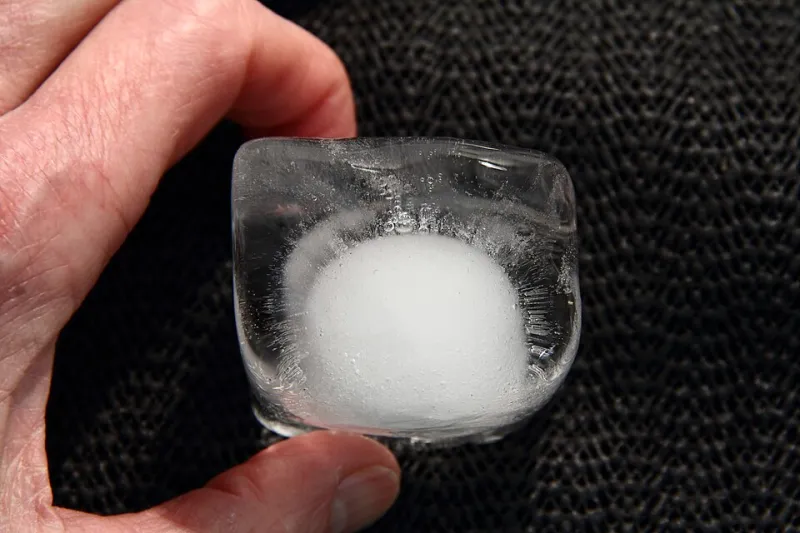
Photo: Lusilier, CC BY-SA 3.0, via Wikimedia Commons
In a good bar, the ice tells you what kind of evening you are in for. If it arrives as a pile of cloudy shards from a supermarket bag, the drink is probably an afterthought. If it comes as a single clear block, cut to fit the glass, something more deliberate is happening. Japanese bartending has spent decades turning that block into a piece of equipment. The point is not to make a drink look expensive. The point is to make it taste better for longer.
What clear ice actually does
Cloudy ice is full of trapped air and impurities. Those tiny bubbles do more than spoil the view. They make the block weaker, so it cracks and melts unevenly. Clear ice is denser and more uniform. It melts more slowly and, crucially, more predictably. That means less water in your drink before you have had a chance to enjoy it.
This is not a small detail. Dilution is part of a cocktail. A little water opens up a whisky or softens a strong stirred drink. But dilution should be a controlled ingredient, not a race. Clear ice gives the bartender a slower, steadier hand. The drink stays cold without becoming watery halfway down the glass.
The highball is the honest test
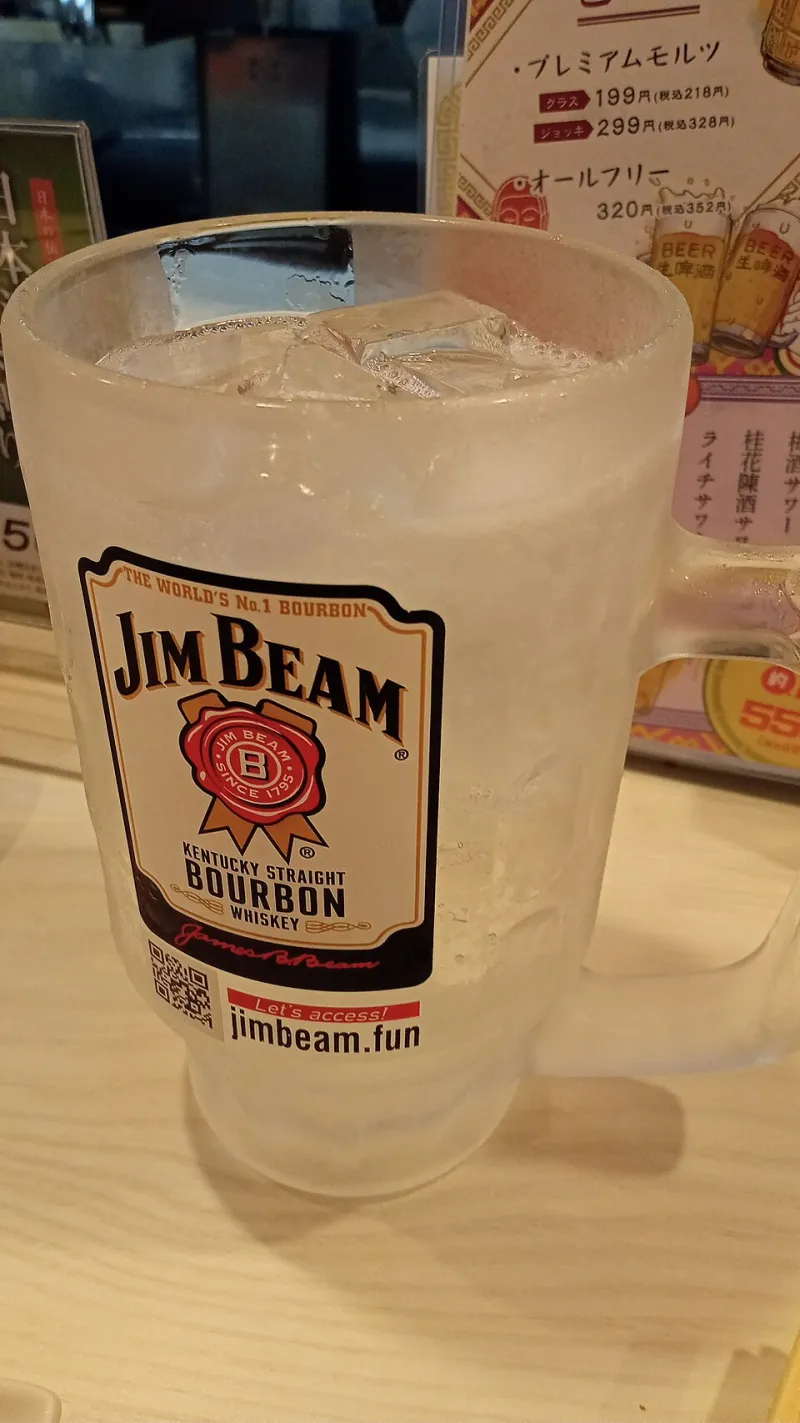
If you want to see the difference, order a highball. A Japanese-style highball is built around ice: a tall glass, a large clear block, whisky, soda and a good stir. The ice chills the glass and the liquid without flattening the bubbles. Because the block melts slowly, the soda keeps its lift. The last third of the drink still tastes like a highball, not a sad whisky cordial.
In too many British bars, a highball is treated as a splash-and-go drink. Ice from the machine goes in first, soda hits it, and the whole thing starts dying immediately. A clear block does not solve bad whisky or flat soda. But it gives a good drink a fair chance. That is the Japanese lesson in one sentence: ice should protect the drink, not just chill it.
It is less fussy than it looks
The word clear ice makes some bar owners picture a laboratory. It is not that dramatic. The basic method is directional freezing: freeze water slowly in an insulated container so the impurities are pushed to one end. The clear block is then cut and shaped. Some bars buy ready-made clear blocks from a supplier. Others freeze in a small cooler overnight and carve what they need. Neither route requires a full Japanese apprenticeship.
There is a cost, of course. Clear ice takes space, time and a little training. But compare it with the usual upgrades a bar considers: a new back-bar bottle, a fancy glass, a rebranded menu. Clear ice is often cheaper and it improves every drink on the list. A bar in Leeds or Bristol does not need to become a Tokyo basement bar. It just needs to decide that ice is part of the recipe.
The cheapest upgrade in the business
In 2026, with costs still squeezing every part of hospitality, ice is an unusually good-value place to look. A decent clear-ice programme can be built around a freezer, a cooler box and a sharp knife. The savings show up in the glass: less waste from cracked ice, less over-pouring to compensate for a watery drink, and a better highball without changing the whisky.
It also changes how a bar feels. A clear block in a gin and tonic says someone thought about the next ten minutes of your evening. That is the sort of detail UK drinkers notice, even if they cannot explain why the drink tastes cleaner. It is hospitality you can see through.
What to look for as a drinker
You do not need to interrogate the bartender. Look at the glass. Is the ice clear, or at least mostly clear? Is it one piece or a bag of crushed shards? Does the drink stay cold without turning to water in five minutes? If the answer is yes, the bar is probably treating ice as an ingredient. If not, it is still a perfectly fine pub. It is just leaving an easy win on the table.
The Japanese obsession with clear ice is not about perfection for its own sake. It is about control. A bar that controls its ice controls its dilution, its texture and the pace of the drink. That is a small thing that makes a big difference. And in a country where we take our highballs, gin and tonics and whisky sodas seriously, it is one of the cheapest ways to make every round better.